Does Your Pet Miss You While You’re Away?
Signs of Separation Stress and Ways to Help
You grab your keys, and suddenly your dog is glued to your legs. Or your cat starts pacing near the door like they know exactly what’s coming. Pets notice our routines more than we think, and yes, some really do struggle when the house gets quiet.
A little sadness when you leave is normal. Separation stress is different. It shows up as fear, panic, or frustration when a pet is left alone or separated from their favorite people. The good news is that families can often make departures easier with a few calm, steady changes at home.
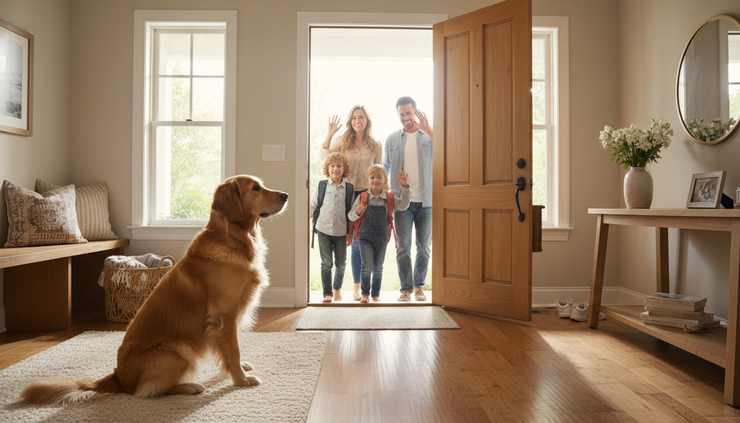
What separation stress can look like
Separation stress doesn’t look the same in every pet. Some pets make it loud and obvious. Others show it in quieter ways that are easy to miss.
Common signs include:
Barking, whining, howling, or meowing after you leave
Scratching at doors, windows, crates, or baby gates
Chewing furniture, shoes, trim, bedding, or blinds
Pacing, drooling, shaking, or panting
Trying to escape from a room, crate, or yard
Having accidents indoors, even when house-trained
Refusing food or treats when alone
Acting overly clingy before you leave
Greeting you with frantic excitement when you return
Cats may hide, overgroom, stop eating normally, or urinate outside the litter box. Dogs may follow you from room to room and get anxious during your “leaving cues,” like putting on shoes or picking up a bag.
One helpful clue is timing. If the behavior happens mostly when the pet is alone, or right before someone leaves, separation stress may be part of the picture.
That said, don’t assume every mess or accident is anxiety. A pet might chew because they’re bored, bark because they hear outdoor noise, or have accidents because of a health issue. If symptoms are sudden, intense, or include bathroom changes, it’s smart to check in with a veterinarian.
Why departures feel so hard for some pets
Pets are creatures of habit. They learn the rhythm of the house, who wakes up first, when breakfast happens, and which sounds mean the day is about to change.
For some pets, a departure feels confusing or scary because they don’t understand when you’ll return. Others may have had a big life change, like a move, a new baby, a schedule shift, or time in a shelter. Puppies, senior pets, and newly adopted animals can be especially sensitive.
Separation stress can also build when a pet rarely spends time alone. If someone worked from home for months and suddenly starts leaving for longer stretches, the change can feel huge.

The goal isn’t to make your pet “tough it out.” Panic doesn’t improve through panic. The goal is to help them feel safe in small steps, so being alone becomes normal instead of scary.
How to make leaving less dramatic
A big emotional goodbye can feel natural, but it can also turn departures into a big event. Pets often mirror our energy. If leaving feels tense to us, it can feel tense to them too.
Try making your departure calm and boring.
A simple routine works best:
Take care of potty breaks, meals, and exercise before you leave.
Give your pet a safe activity, like a food puzzle or stuffed treat toy.
Put on your shoes, grab your keys, and leave without a long goodbye.
Come back calmly, with soft attention once your pet settles.
This doesn’t mean ignoring your pet in a cold way. It just means keeping the exit low-pressure.
You can also practice “fake departures.” Pick up your keys, walk to the door, then sit back down. Put on your coat, then make coffee. These small resets teach your pet that leaving cues don’t always mean they’ll be alone for a long time.
Start with short absences when you can. Step outside for one minute, then return. Later, try five minutes. Then ten. Keep it easy enough that your pet can succeed. If they panic, the step was too big.
Set up the house for comfort
A pet’s environment matters. Some pets relax better in a crate. Others feel trapped and do better in a pet-proofed room. The right setup is the one that keeps your pet safe and calm.
A good comfort space might include:
A bed or blanket that smells familiar
Fresh water
Safe chew toys or puzzle feeders
Background sound, like soft music or a fan
Closed curtains if outdoor movement triggers barking
A camera, if you want to understand what happens after you leave
For dogs, a walk, sniff session, or playtime before you go can help burn nervous energy. Sniffing is especially useful because it gives the brain something satisfying to do. For cats, try a short play session that ends with food. That pattern can help them settle into rest.

Be careful with treat toys if your pet guards food or chews aggressively. Choose safe items, and test them while you’re home before leaving them alone.
Help kids be part of the routine
Families with kids can make a big difference, especially when everyone uses the same calm routine. Kids may want to hug the pet tightly and say a long goodbye. Sweet? Yes. Helpful? Not always.
Instead, give children simple jobs:
Fill the water bowl
Place a safe toy in the pet’s space
Toss a small treat on the bed before leaving
Use a calm phrase like “See you soon”
Walk out without running back in
This keeps the whole household predictable. Pets feel more secure when the routine doesn’t change every day.
It also helps to teach kids what stress looks like. A dog licking their lips, pacing, yawning, or hiding may need space. A cat with a twitching tail or flattened ears isn’t “being mean.” They’re communicating.
When extra help is the kind choice
Mild stress can often improve with routine changes, practice, and patience. But some pets need more support. If your pet injures themselves, destroys doors or crates, howls for long periods, or seems panicked soon after you leave, don’t wait too long.
A veterinarian can rule out pain or medical issues. A certified trainer or veterinary behavior professional can build a plan that fits your pet and your home. In some cases, medication may be part of treatment, but that’s a decision to make with a vet.

Avoid punishment. Scolding a pet for damage after you get home won’t teach them what to do instead. It may only make the next departure feel more stressful.
The takeaway for calmer goodbyes
Your pet may miss you, but they don’t have to panic when you leave. Watch for patterns, keep departures calm, and build alone time in small steps. A safe space, a predictable routine, and a little patience can turn goodbye from a stressful scene into just another normal part of the day.
Start small today. Practice one calm departure, even if it’s only for a minute. That tiny step can help your pet learn the best lesson of all: you always come back.


Comments